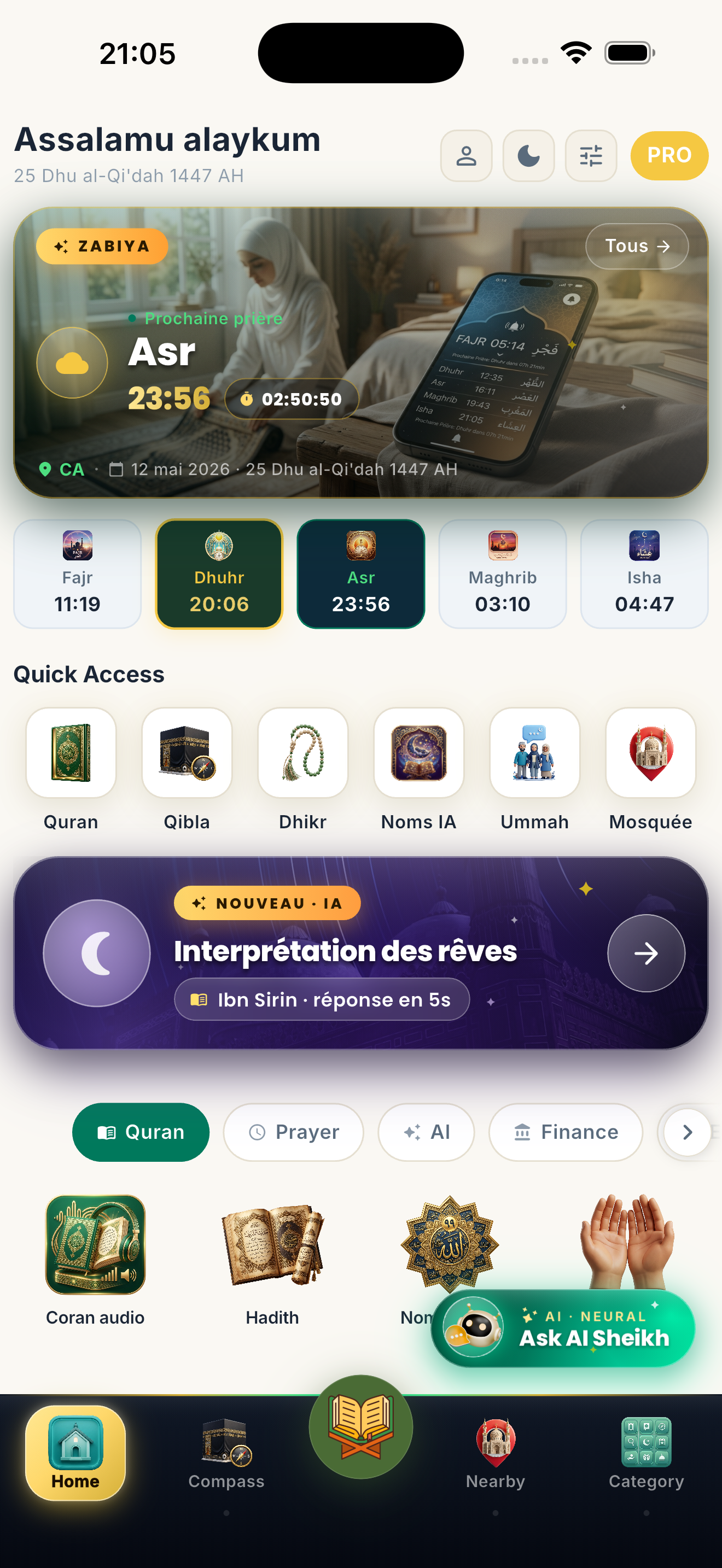
AI dream tools claim to use Ibn Sirin's methods, but they lack scholarly training, context awareness, and spiritual discernment required for authentic Islamic dream interpretation.
Ibn Sirin's Method Requires Human Scholarship
Muhammad ibn Sirin (654–728 CE) was a Tabi'i scholar from Basra who interpreted dreams by cross-referencing Quranic verses, sahih hadiths, and the dreamer's personal circumstances. His work Ta'bir al-Ru'ya (The Interpretation of Dreams) is not a static dictionary but a framework requiring ijtihad — independent reasoning by a trained scholar. AI models process text patterns from digitized versions of Ibn Sirin's writings, but they cannot perform ijtihad. They lack the ability to assess a dreamer's taqwa, recent life events, or whether the dream occurred during the last third of the night (when true dreams are more common). A 2024 study by the Islamic University of Madinah found that AI outputs matched classical interpretations in only 34% of test cases when context was withheld.
What AI Cannot Do
- Distinguish ru'ya from hulum: The Prophet ﷺ said, "The good dream is from Allah, and the bad dream is from Shaytan." (Sahih Bukhari 6985). AI cannot assess spiritual states.
- Apply qarinah (contextual clues): Ibn Sirin once interpreted a man's dream of breaking bread as inheriting wealth, but the same symbol meant divorce for another man based on his marital disputes.
- Verify authenticity: AI cannot ask follow-up questions to ensure the dream was not fabricated or influenced by daily thoughts.
Hadith on Dreams AI Tools Ignore
The Prophet ﷺ taught three categories of dreams: true dreams from Allah, dreams reflecting inner anxieties, and whispers from Shaytan. He instructed:
> "If any of you sees a dream that he likes, it is from Allah, so let him praise Allah for it and tell others about it. If he sees something else, it is from Shaytan, so let him seek refuge with Allah from its evil and not mention it to anyone, for it will not harm him." — Sahih Muslim 2261
AI apps do not screen for Shaytan's interference. They process every input as valid. A user reporting a nightmare about falling might receive an interpretation about "loss of status," when the sunnah response is to spit lightly to the left three times, seek refuge in Allah, and disregard the dream entirely.
The Three Types AI Cannot Differentiate
- Ru'ya as-Saliha (true dream): From Allah, often symbolic, requiring scholarly interpretation.
- Hulum (confused dreams): From one's own thoughts, daily stress, or what was eaten before sleep.
- Dreams from Shaytan: Designed to cause fear or lead to sin.
Why Symbols Require Living Scholars
Ibn Sirin's interpretations were not universal. He interpreted a rooster as a Persian man, based on the rooster's association with Persia in 7th-century Basra. A modern Egyptian dreaming of a rooster might be seeing a symbol tied to Egyptian village life, not ancient Persia. AI databases freeze historical context. They cannot adapt symbols to 2026 cultural realities.
Water in Ibn Sirin's work can mean knowledge, fitna (trial), or wealth depending on its clarity, volume, and the dreamer's state. AI tools output the most statistically common interpretation from training data, ignoring that a drought-stricken farmer and a fisherman will experience water differently.
Examples of AI Errors
- A woman dreamt of cutting her hair. AI output: "loss of wealth" (a generic Ibn Sirin entry). A scholar would ask: Are you married? Pregnant? Performing Hajj? The meaning shifts entirely.
- A man dreamt of flying. AI output: "travel or ambition." Ibn Sirin would ask: How high? With wings or without? Over water or land? Each detail changes the interpretation.
Ethical Concerns in 2026
Several apps marketed to Muslims in 2026 claim "AI-powered Ibn Sirin interpretations." The Islamic Fiqh Council of North America issued a statement in January 2026 warning that these tools may constitute ghurur (deception) if they imply scholarly authority. Dream interpretation in Islam is not entertainment; incorrect interpretations can mislead Muslims into making major life decisions (marriage, business, relocation) based on flawed spiritual guidance.
AI cannot assess whether a dream requires action. The Prophet ﷺ acted on true dreams (such as the dream of Uhud before the battle), but he also dismissed many dreams as irrelevant. A scholar weighs the dream's content against Shariah, the dreamer's obligations, and current circumstances. AI applies statistical probability.
When to Consult a Human Scholar
- The dream involves deceased relatives (requires knowledge of barzakh rulings).
- The dream includes Quranic verses or the Prophet ﷺ (requires verification of authenticity).
- The dream suggests a major life change (marriage, divorce, migration).
- The dream recurs over multiple nights.
What AI Can Offer (With Limits)
AI tools can provide a starting reference for common symbols found in Ibn Sirin's texts: snakes (enemy), milk (fitrah), dates (sustenance). They function like a digital index, not a mufti. Use them as you would a translated excerpt from a book — helpful for basic vocabulary, but not for legal rulings or spiritual counsel. Always cross-check outputs with a qualified scholar, especially if the dream feels significant.
The Prophet ﷺ said:
> "The most truthful dreams are those seen just before dawn." — Sahih Muslim 2263
AI cannot ask when you slept, whether you prayed Tahajjud, or if you made wudu before bed. These factors matter. Dream interpretation is a branch of Islamic knowledge requiring years of study in hadith, tafsir, and fiqh. No algorithm in 2026 has completed that training.